Collection of the Week: 'Strange New Worlds'
Now Explore the Featured Prints...


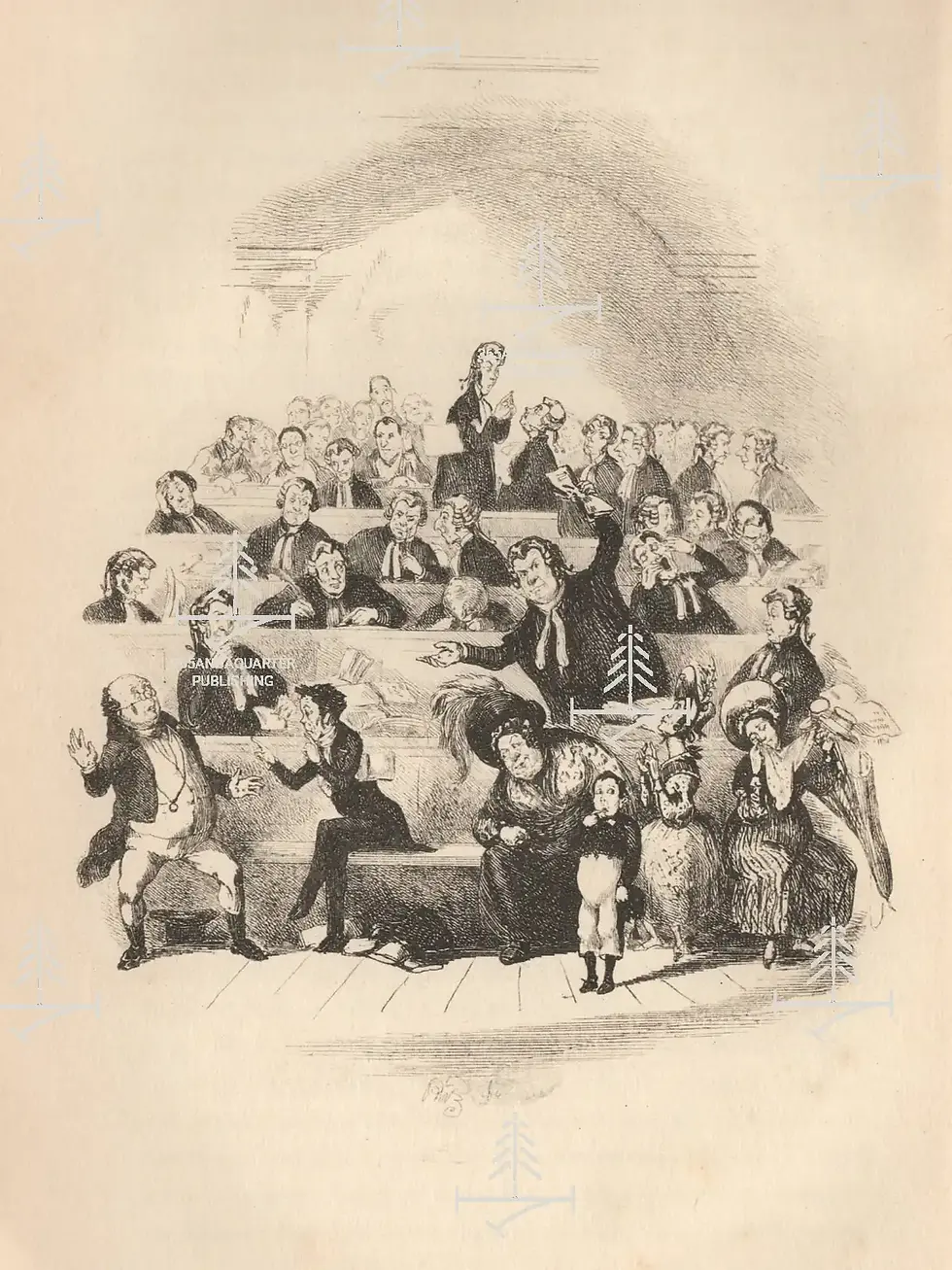
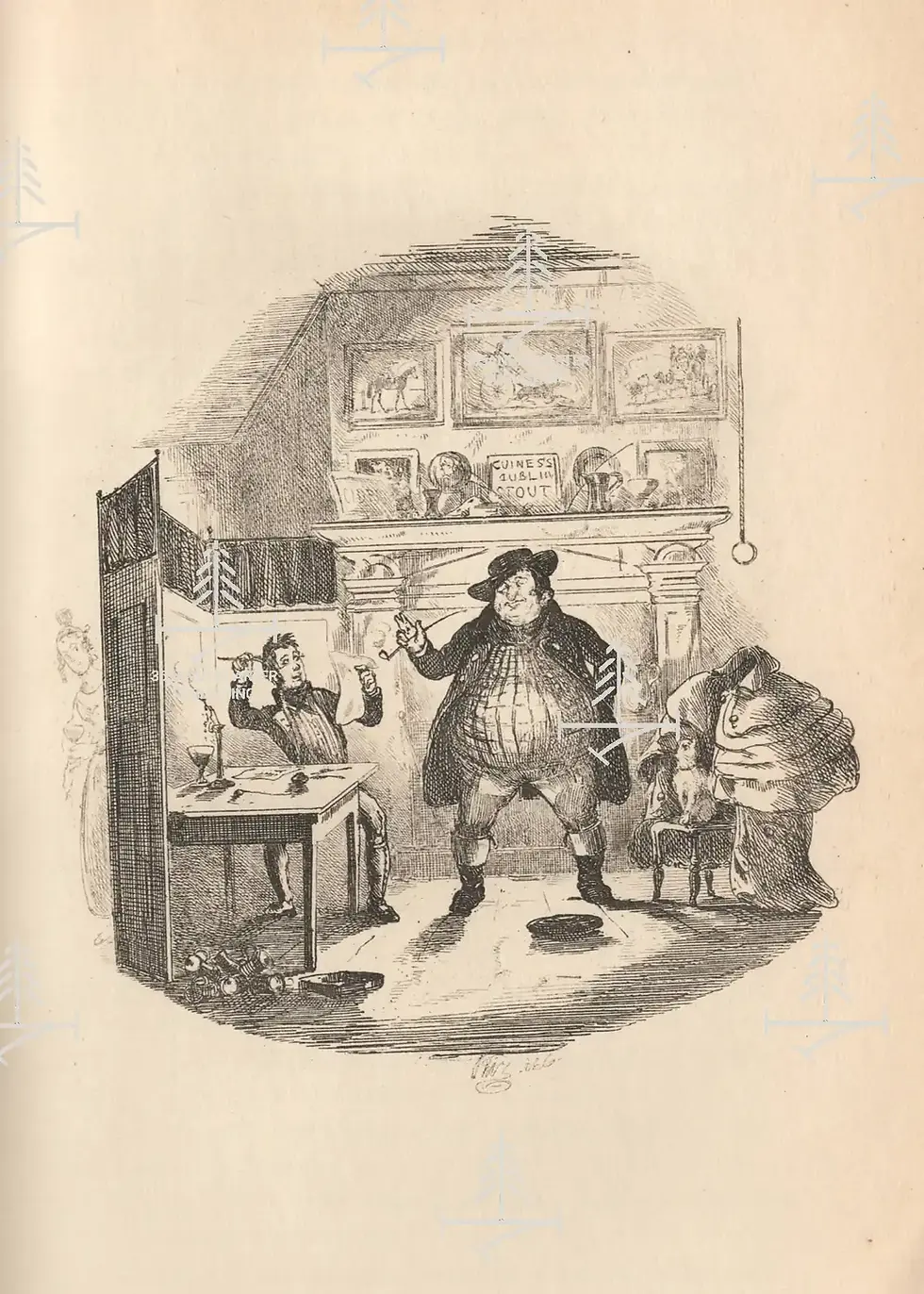

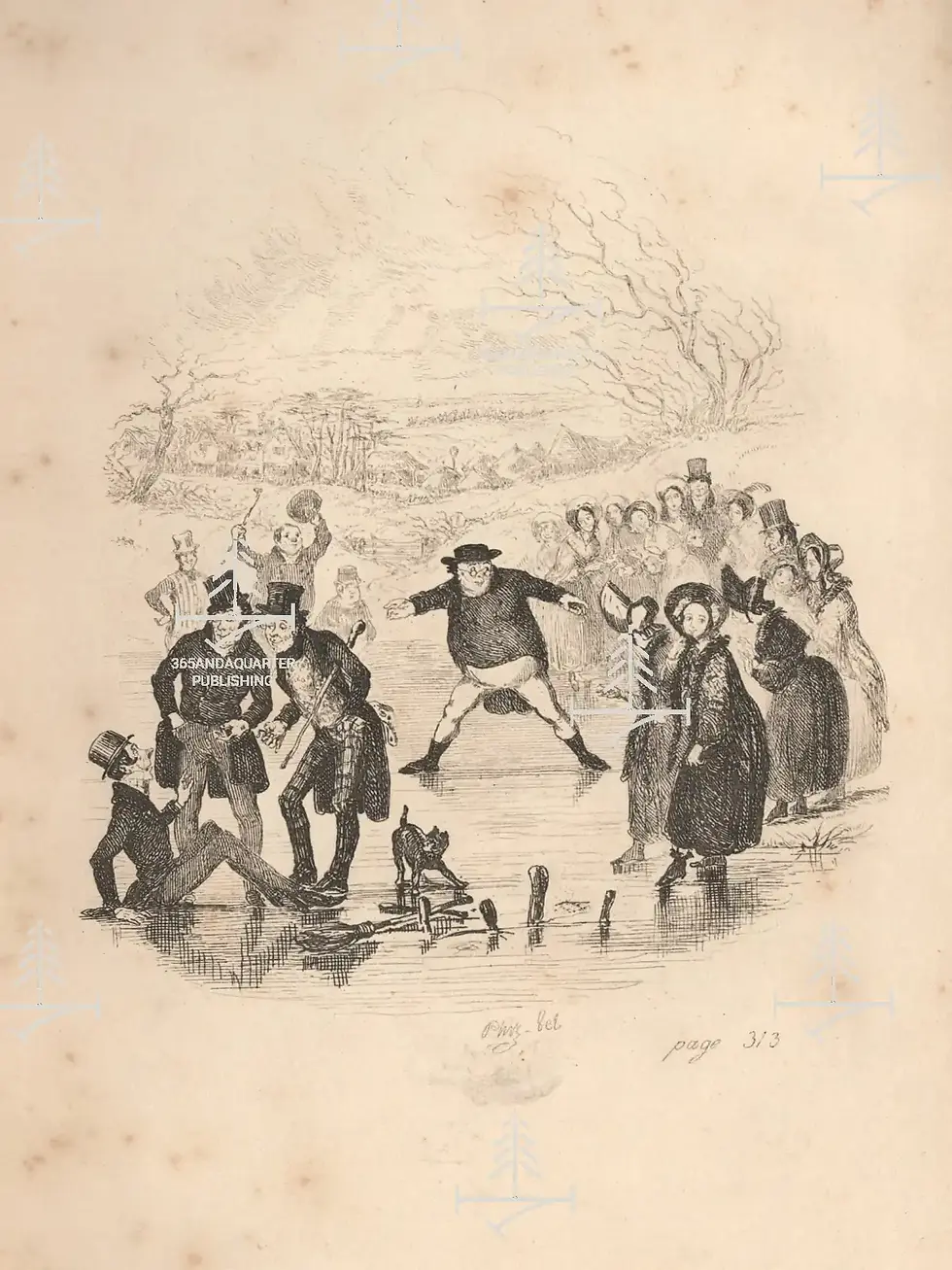
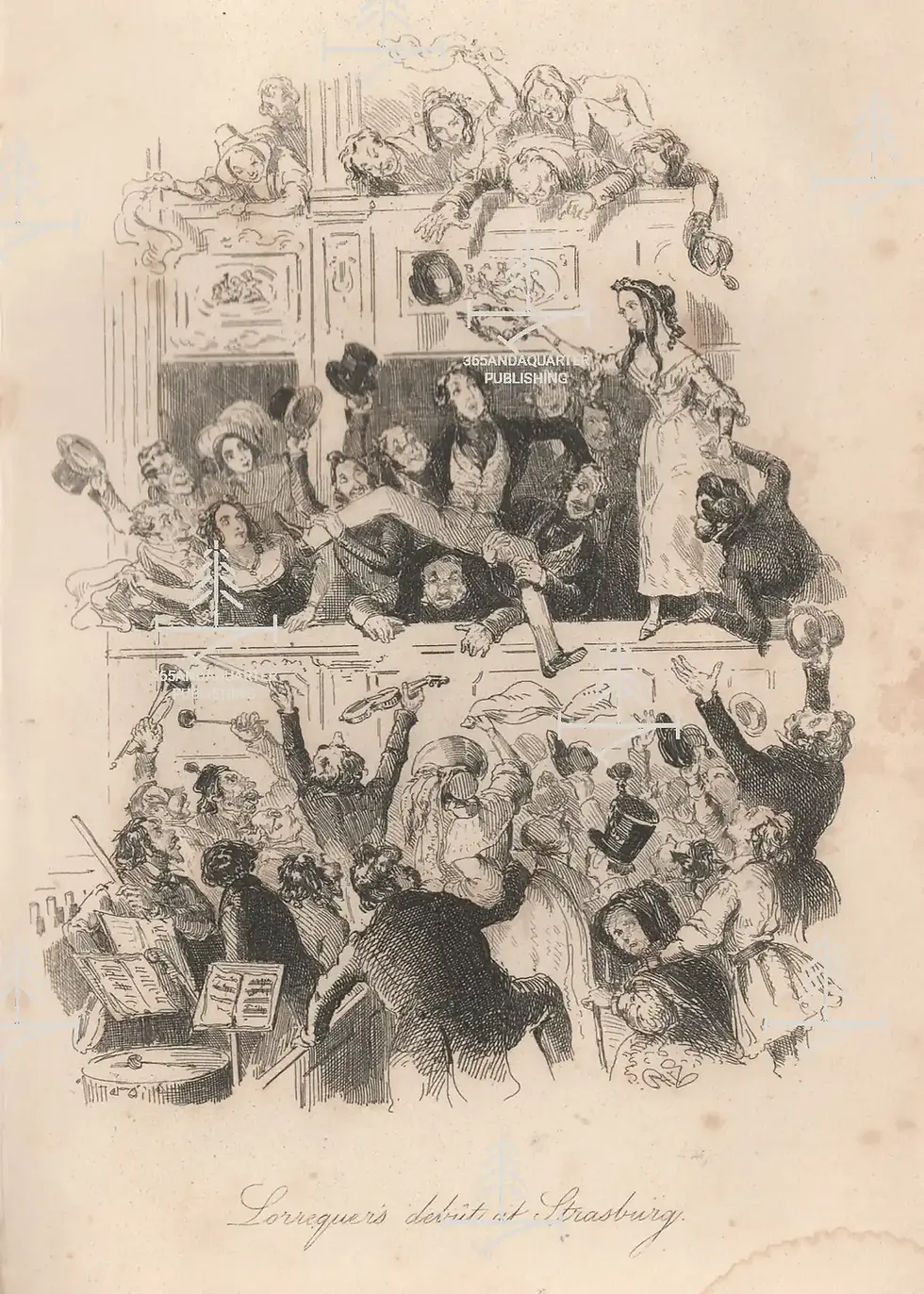


A journey through distant lands, extraordinary creatures and the curious imagination of the eighteenth century.
The Story Behind the Prints
Every print tells a story. This week, we're venturing beyond familiar horizons into a world of uncharted territories, unfamiliar peoples and creatures that seem almost too extraordinary to be real. Drawn from the age of exploration, these fascinating illustrations reveal how eighteenth-century ethnographers, naturalists and travellers sought to record the wonders of the wider world — sometimes as they found them, and sometimes as imagination filled the gaps in their knowledge.
Read on to discover the stories, craftsmanship and historical curiosities behind these remarkable prints, and take a closer look at how our ancestors pictured a world they were only beginning to understand.
The eighteenth century was an age of extraordinary curiosity. Voyages of exploration brought European audiences accounts of distant continents, unfamiliar customs, spectacular landscapes and remarkable forms of animal life. Illustrated travel books, natural histories and geographical accounts offered readers a means of travelling vicariously to places few would ever see for themselves.
For the armchair explorer, an engraved illustration could be as exciting as the traveller's own written account. A single image might reveal an unfamiliar animal, a distant settlement, the dress and customs of a people encountered abroad, or an extraordinary scene from a voyage across the globe. Such pictures helped transform far-flung discoveries into subjects of fascination in European homes, libraries and scholarly collections.
Yet these images occupy an intriguing space between observation and imagination. Some were based on first-hand encounters, sketches made during expeditions or specimens brought back by travellers. Others relied on earlier publications, second-hand descriptions or artists' interpretations of unfamiliar subjects. Reports of unusual creatures could be embellished in the retelling, while the limitations of available knowledge sometimes produced illustrations that appear wonderfully strange to modern eyes.
The result is a visual record that tells us not only about the lands and creatures being depicted, but also about the expectations, assumptions and preoccupations of the people who made and viewed these images. They are windows onto a world being explored — and onto the European imagination itself.
What Makes This Collection Special?
A World Beyond the Familiar
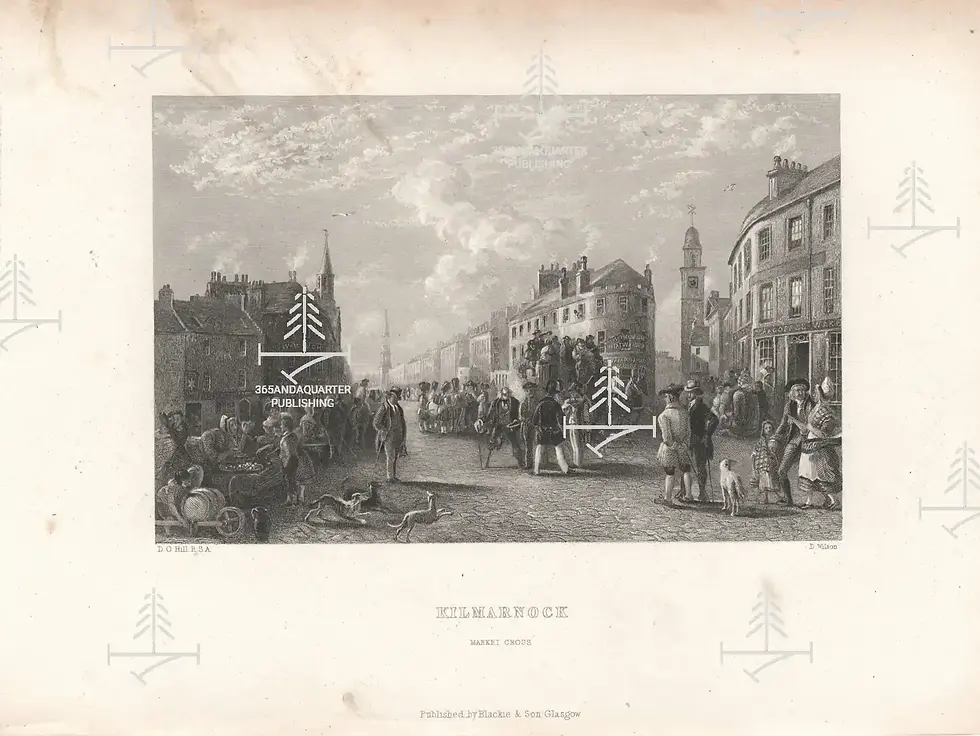
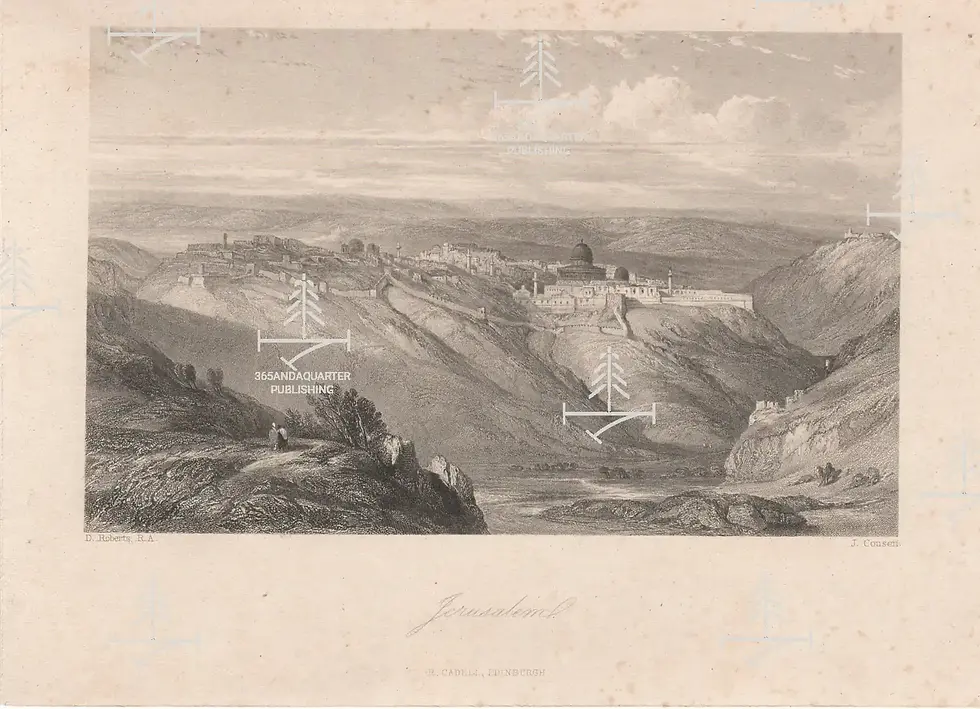
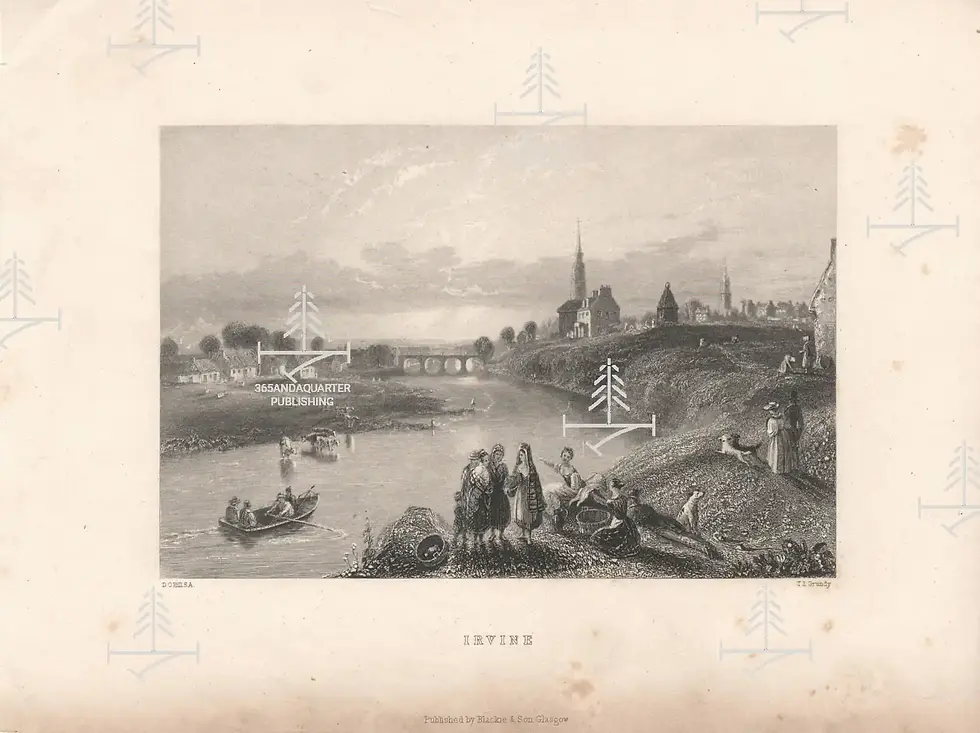
Before photography, illustrated books were among the most powerful ways of bringing distant places before the public. Engraved views of foreign landscapes, settlements and monuments offered glimpses of environments that readers might otherwise know only through written descriptions. Every detail — from the outline of a mountain range to the architecture of a distant town — helped build a picture of the wider world.
These images are particularly compelling today because they preserve an earlier way of seeing. They capture both the excitement of discovery and the visual conventions through which unfamiliar places were made understandable to European audiences.
Creatures of Wonder
The natural world was an inexhaustible source of fascination. Explorers and naturalists returned with reports of animals unlike those familiar in Europe, while illustrated natural histories attempted to document the astonishing diversity of life across the globe.
Some engravings demonstrate remarkable powers of observation, recording anatomy, markings and posture with considerable precision. Others reveal the difficulties of depicting animals that an illustrator had never seen, perhaps working from a written description or an imperfect earlier image. In such cases, the boundary between natural history and visual invention could become surprisingly thin.
The occasional curious or improbable creature is part of the enduring appeal of these prints. They remind us that scientific understanding develops gradually, and that the history of discovery includes mistaken assumptions and imaginative interpretations as well as genuine breakthroughs.
People, Customs and the Ethnographic Gaze
Eighteenth-century travellers were also keen to document the people they encountered, recording clothing, ceremonies, occupations and everyday life. These illustrations are valuable historical sources, offering insights into how different societies were represented to readers thousands of miles away.
They must, however, be viewed with an understanding of their time. European depictions of other cultures were often shaped by limited contact, inherited stereotypes and the unequal relationships of exploration, trade and empire. Some images convey careful attention to observed details; others impose European expectations upon their subjects or present unfamiliar customs as curiosities for the viewer.
Looking at these prints today means appreciating their artistic and historical significance while recognising the difference between an image's claims and the realities of the people it portrays.
The Art of Engraving
Behind every printed image lies the skill of the artist and engraver. During the eighteenth century, copperplate engraving and etching were important techniques for reproducing detailed illustrations in books and printed collections. Fine lines, cross-hatching and carefully controlled tonal contrasts allowed engravers to convey textures, landscapes, animal forms and intricate details of costume.
The original drawings might be made thousands of miles from the printing workshop, but the engraved plate brought them to a wider audience. Through this process, the observations — and sometimes the misunderstandings — of individual travellers could become part of the shared visual knowledge of an age.
Today, surviving original prints offer a tangible connection to that world of discovery. Their delicate lines, subtle variations and occasional eccentricities reward close inspection, while the paper itself carries the material history of an era fascinated by what lay beyond the horizon.
A Window into an Age of Discovery
What makes these illustrations so captivating is the way they bring together two enduring human impulses: the desire to understand the world and the urge to imagine what might lie beyond it.
Some plates are remarkable for their accuracy; others intrigue us precisely because they reveal how uncertain knowledge could be. Together, they document a period when new observations were challenging old assumptions, even as older myths and cultural prejudices continued to influence the way unfamiliar places and peoples were portrayed.
For collectors, historians and anyone drawn to the unusual, these prints offer much more than decorative appeal. Each is a small historical artefact, preserving a moment when the known world seemed to be expanding with every voyage, publication and newly encountered wonder.
Explore this week's featured prints and discover your own piece of the extraordinary eighteenth-century world.
Friday 30 October 2026

















Collection of the Week: 'Strange New Worlds'
A journey through distant lands, extraordinary creatures and the curious imagination of the eighteenth century.
The Story Behind the Prints
Every print tells a story. This week, we're venturing beyond familiar horizons into a world of uncharted territories, unfamiliar peoples and creatures that seem almost too extraordinary to be real. Drawn from the age of exploration, these fascinating illustrations reveal how eighteenth-century ethnographers, naturalists and travellers sought to record the wonders of the wider world — sometimes as they found them, and sometimes as imagination filled the gaps in their knowledge.
Read on to discover the stories, craftsmanship and historical curiosities behind these remarkable prints, and take a closer look at how our ancestors pictured a world they were only beginning to understand.
The eighteenth century was an age of extraordinary curiosity. Voyages of exploration brought European audiences accounts of distant continents, unfamiliar customs, spectacular landscapes and remarkable forms of animal life. Illustrated travel books, natural histories and geographical accounts offered readers a means of travelling vicariously to places few would ever see for themselves.
For the armchair explorer, an engraved illustration could be as exciting as the traveller's own written account. A single image might reveal an unfamiliar animal, a distant settlement, the dress and customs of a people encountered abroad, or an extraordinary scene from a voyage across the globe. Such pictures helped transform far-flung discoveries into subjects of fascination in European homes, libraries and scholarly collections.
Yet these images occupy an intriguing space between observation and imagination. Some were based on first-hand encounters, sketches made during expeditions or specimens brought back by travellers. Others relied on earlier publications, second-hand descriptions or artists' interpretations of unfamiliar subjects. Reports of unusual creatures could be embellished in the retelling, while the limitations of available knowledge sometimes produced illustrations that appear wonderfully strange to modern eyes.
The result is a visual record that tells us not only about the lands and creatures being depicted, but also about the expectations, assumptions and preoccupations of the people who made and viewed these images. They are windows onto a world being explored — and onto the European imagination itself.
What Makes This Collection Special?
A World Beyond the Familiar
Before photography, illustrated books were among the most powerful ways of bringing distant places before the public. Engraved views of foreign landscapes, settlements and monuments offered glimpses of environments that readers might otherwise know only through written descriptions. Every detail — from the outline of a mountain range to the architecture of a distant town — helped build a picture of the wider world.
These images are particularly compelling today because they preserve an earlier way of seeing. They capture both the excitement of discovery and the visual conventions through which unfamiliar places were made understandable to European audiences.
Creatures of Wonder
The natural world was an inexhaustible source of fascination. Explorers and naturalists returned with reports of animals unlike those familiar in Europe, while illustrated natural histories attempted to document the astonishing diversity of life across the globe.
Some engravings demonstrate remarkable powers of observation, recording anatomy, markings and posture with considerable precision. Others reveal the difficulties of depicting animals that an illustrator had never seen, perhaps working from a written description or an imperfect earlier image. In such cases, the boundary between natural history and visual invention could become surprisingly thin.
The occasional curious or improbable creature is part of the enduring appeal of these prints. They remind us that scientific understanding develops gradually, and that the history of discovery includes mistaken assumptions and imaginative interpretations as well as genuine breakthroughs.
People, Customs and the Ethnographic Gaze
Eighteenth-century travellers were also keen to document the people they encountered, recording clothing, ceremonies, occupations and everyday life. These illustrations are valuable historical sources, offering insights into how different societies were represented to readers thousands of miles away.
They must, however, be viewed with an understanding of their time. European depictions of other cultures were often shaped by limited contact, inherited stereotypes and the unequal relationships of exploration, trade and empire. Some images convey careful attention to observed details; others impose European expectations upon their subjects or present unfamiliar customs as curiosities for the viewer.
Looking at these prints today means appreciating their artistic and historical significance while recognising the difference between an image's claims and the realities of the people it portrays.
The Art of Engraving
Behind every printed image lies the skill of the artist and engraver. During the eighteenth century, copperplate engraving and etching were important techniques for reproducing detailed illustrations in books and printed collections. Fine lines, cross-hatching and carefully controlled tonal contrasts allowed engravers to convey textures, landscapes, animal forms and intricate details of costume.
The original drawings might be made thousands of miles from the printing workshop, but the engraved plate brought them to a wider audience. Through this process, the observations — and sometimes the misunderstandings — of individual travellers could become part of the shared visual knowledge of an age.
Today, surviving original prints offer a tangible connection to that world of discovery. Their delicate lines, subtle variations and occasional eccentricities reward close inspection, while the paper itself carries the material history of an era fascinated by what lay beyond the horizon.
A Window into an Age of Discovery
What makes these illustrations so captivating is the way they bring together two enduring human impulses: the desire to understand the world and the urge to imagine what might lie beyond it.
Some plates are remarkable for their accuracy; others intrigue us precisely because they reveal how uncertain knowledge could be. Together, they document a period when new observations were challenging old assumptions, even as older myths and cultural prejudices continued to influence the way unfamiliar places and peoples were portrayed.
For collectors, historians and anyone drawn to the unusual, these prints offer much more than decorative appeal. Each is a small historical artefact, preserving a moment when the known world seemed to be expanding with every voyage, publication and newly encountered wonder.
Explore this week's featured prints and discover your own piece of the extraordinary eighteenth-century world.
Friday 30 October 2026
Collection of the Week: 'Great Scott!'
Friday 23 October 2026
A closer look at the work of Scotland's greatest novelist, Sir Walter Scott.
Every print tells a story. This week we're exploring the writing, or rather the illustrations that accompanied some of his best and most famous stories, to emerge from the quill of a man described as "the inventor of Scotland". All seen through this carefully selected group of original engravings that date from the Victorian age.
Read on to discover the details, craftsmanship and history that make these prints special, and perhaps find a piece that speaks to you.
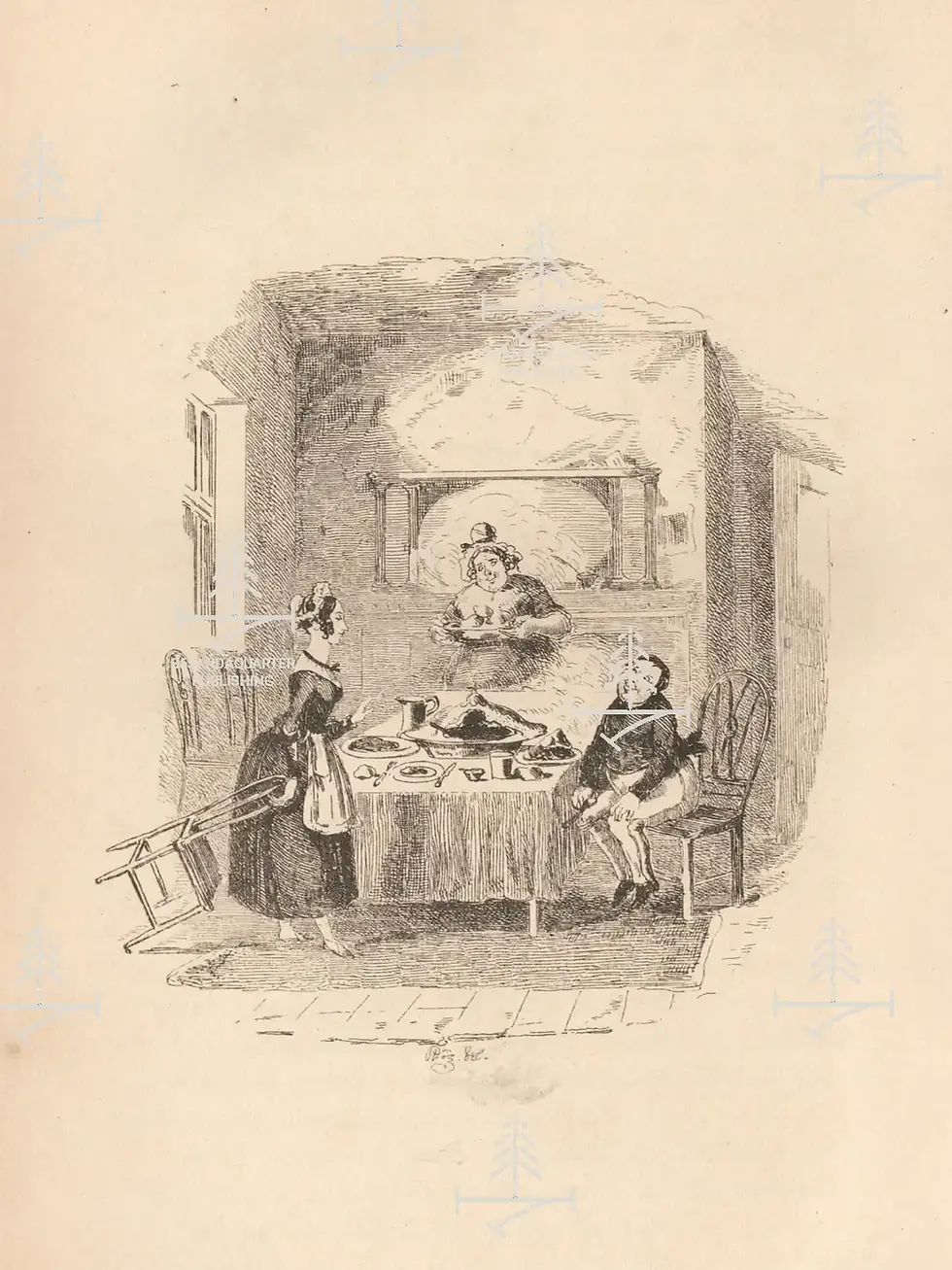
The works of Sir Walter Scott, one of the most celebrated authors of the nineteenth century, offer a captivating journey into the history, romance, and legends of Scotland and beyond. His novels and poems combine vivid storytelling, memorable characters, and rich historical detail, bringing the past to life through tales of chivalry, adventure, conflict, and human emotion. This collection is further distinguished by its illustrations, associated with the renowned artist George Cruikshank and a distinguished group of engravers, including G. Presbury, J. Carter, W. Finden, E. Finden, and J. B. Allen.
Their artistic interpretations enrich Scott’s narratives, offering visual insight into the characters, settings, and dramatic episodes that define his literary world. Worth exploring for both its literary merit and its artistic craftsmanship, the collection provides a fascinating glimpse into nineteenth-century book illustration and the enduring appeal of Scott’s imaginative storytelling.
Steel-plate engraving occupies a distinguished place in the history of book illustration, combining exceptional technical sophistication with enduring visual appeal. Developed to meet the demands of fine printing, the process allowed engravers to achieve remarkably delicate lines, subtle tonal gradations, and intricate details in faces, costumes, architecture, and landscape.
The hardness of the steel plate enabled it to withstand repeated impressions, making it particularly valuable for illustrated books produced in substantial editions during the nineteenth century. Its capacity for precision and refinement made it an ideal medium for interpreting the historical drama, romantic atmosphere, and richly imagined scenes of Sir Walter Scott’s works - exemplifying the collaborative skill involved in translating literary imagery into finely printed compositions.
Today, these plates remain appealing for their craftsmanship, clarity, and historical significance, offering collectors and readers a tangible connection to the artistry of the traditional illustrated book. They're also very suitable for display.
The Story Behind the Prints
What Makes This Collection Special?