Collection of the Week: 'Great Scott!'
A closer look at the work of Scotland's greatest novelist, Sir Walter Scott.
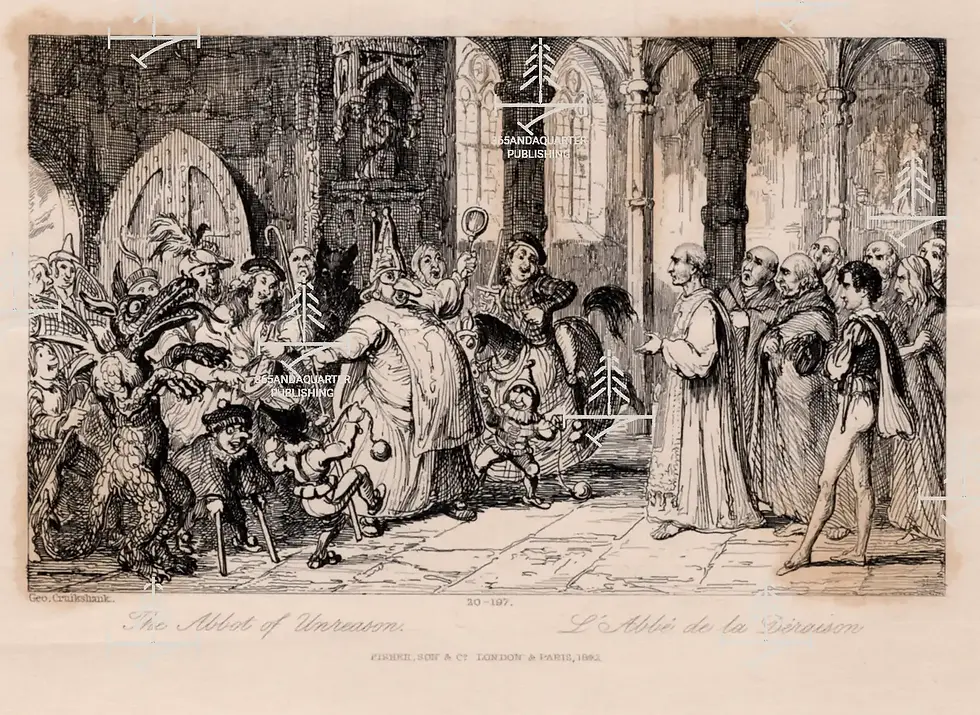
Every print tells a story. This week we're exploring the writing, or rather the illustrations that accompanied some of his best and most famous stories, to emerge from the quill of a man described as "the inventor of Scotland". All seen through this carefully selected group of original engravings that date from the Victorian age.
Read on to discover the details, craftsmanship and history that make these prints special, and perhaps find a piece that speaks to you.
The works of Sir Walter Scott, one of the most celebrated authors of the nineteenth century, offer a captivating journey into the history, romance, and legends of Scotland and beyond. His novels and poems combine vivid storytelling, memorable characters, and rich historical detail, bringing the past to life through tales of chivalry, adventure, conflict, and human emotion. This collection is further distinguished by its illustrations, associated with the renowned artist George Cruikshank and a distinguished group of engravers, including G. Presbury, J. Carter, W. Finden, E. Finden, and J. B. Allen.
Their artistic interpretations enrich Scott’s narratives, offering visual insight into the characters, settings, and dramatic episodes that define his literary world. Worth exploring for both its literary merit and its artistic craftsmanship, the collection provides a fascinating glimpse into nineteenth-century book illustration and the enduring appeal of Scott’s imaginative storytelling.
Steel-plate engraving occupies a distinguished place in the history of book illustration, combining exceptional technical sophistication with enduring visual appeal. Developed to meet the demands of fine printing, the process allowed engravers to achieve remarkably delicate lines, subtle tonal gradations, and intricate details in faces, costumes, architecture, and landscape.
The hardness of the steel plate enabled it to withstand repeated impressions, making it particularly valuable for illustrated books produced in substantial editions during the nineteenth century. Its capacity for precision and refinement made it an ideal medium for interpreting the historical drama, romantic atmosphere, and richly imagined scenes of Sir Walter Scott’s works - exemplifying the collaborative skill involved in translating literary imagery into finely printed compositions.
Today, these plates remain appealing for their craftsmanship, clarity, and historical significance, offering collectors and readers a tangible connection to the artistry of the traditional illustrated book. They're also very suitable for display.