The Benefits and Pitfalls of Dividing Art Catalogues by UK County

Organizing an art catalogue by UK county might seem straightforward, but it carries both advantages and challenges. Even when there are only one or two original prints from a county, many customers prefer browsing the collection this way. This approach helps highlight local history, target marketing efforts, and fill gaps in the catalogue. Yet, it also risks uneven representation and potential confusion. Exploring these factors reveals why dividing art catalogues by county remains popular despite its complexities.
Why Customers Prefer County-Based Organisation
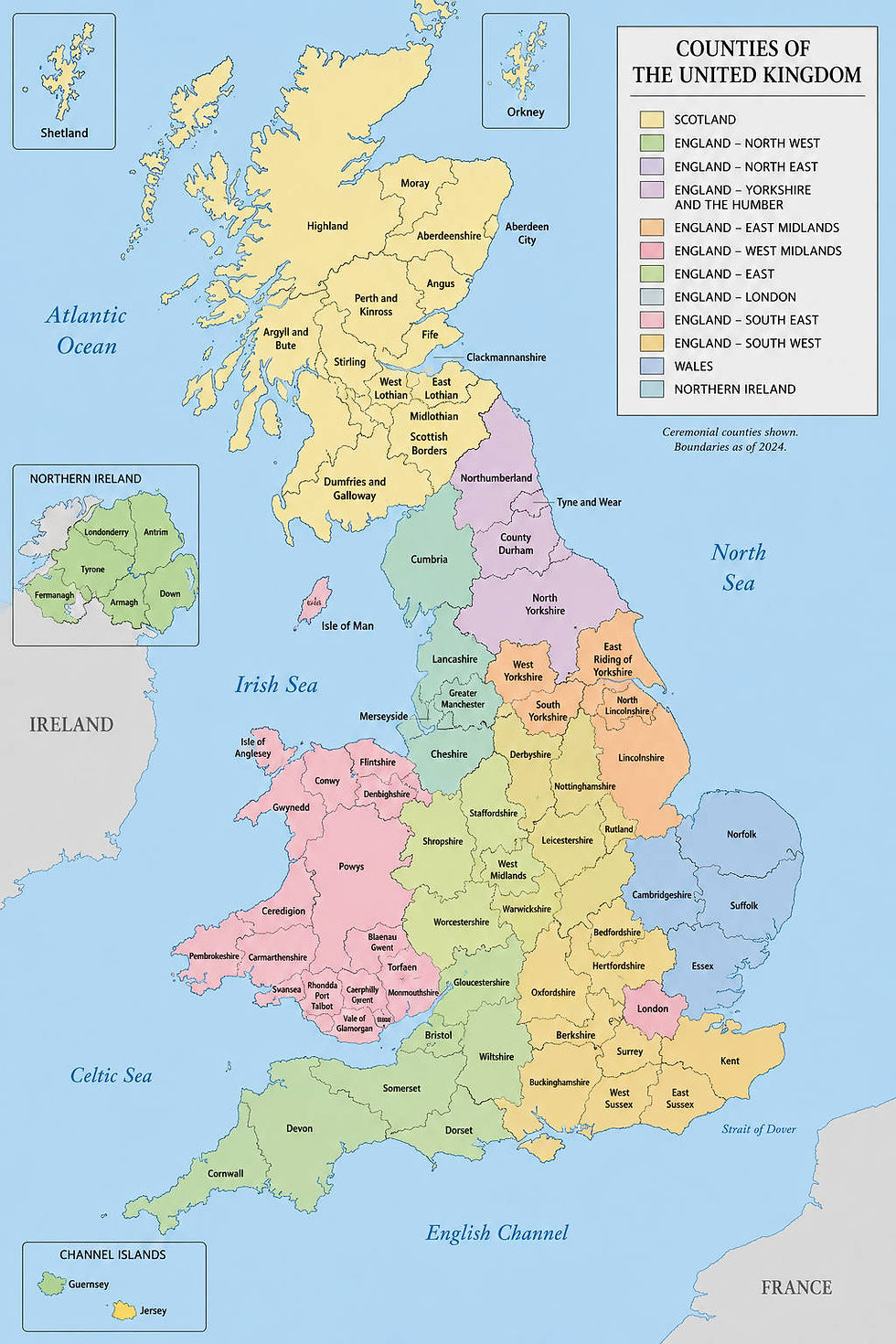
Many customers enjoy exploring art through a geographical lens. Grouping prints by county offers a clear, familiar structure that connects artworks to specific places. This method appeals especially to collectors interested in local history or heritage. For example, someone from Lancashire might look for prints that reflect their home county’s unique character, or someone from London craves sight of how a lost site once looked.
This structure also helps customers discover prints related to places they know or want to learn about. Even if only a few prints exist from a county, having a dedicated section signals that the catalogue respects regional diversity. It invites exploration and can spark curiosity about lesser-known areas.
How County Division Supports Targeted Marketing
Dividing the catalogue by county also allows sellers to focus marketing efforts on specific locations or themes. For instance, if there is a large number of prints from Liverpool, a city with a rich and varied background, marketing campaigns can highlight this strength. Liverpool’s history as a port city and cultural hub offers many storytelling opportunities.
Targeted marketing can also address gaps in the catalogue. If certain counties have few prints, sellers can seek out new works or commissions to balance the collection. This approach helps maintain customer interest and encourages repeat visits to the catalogue.
The Example of Liverpool and Sander's Sketches

The aforementioned Liverpool provides a clear example of how county-based organisation benefits both sellers and buyers. A set of sketches made by John Sanders for Rev Postance's 1889 title, Old Liverpool. Written in Manuscript, captures many venues and sites in Liverpool, some long gone. These sketches bring to life the city’s past, showing how the artist saw and captured these often intriguing places.
Such detailed local content enriches any catalogue and offers customers a deeper connection to the prints. It also demonstrates how county divisions can highlight unique stories and artistic perspectives tied to specific locations.
Challenges of Dividing by County
Despite its benefits, dividing art catalogues by county presents some pitfalls. One major issue is uneven representation. Some counties may have many prints, while others have very few or none. This imbalance can frustrate customers looking for variety or comprehensive coverage.
Another challenge is the potential for confusion. Customers unfamiliar with UK geography or how county borders have changed might struggle to find prints under the right heading. For example, a buyer interested in a specific town might not realize which county - or its new metropolitan identity, adding to modern bemusement - it belongs to, thus complicating their search.
What's more, strict county divisions can also limit thematic or stylistic grouping. Artworks connected by style, artist, or period might be scattered across different county sections, making it harder for customers to explore those themes.
Balancing County Division with Other Organisation Methods
To address these challenges, many catalogues combine county divisions with other organisation methods. For example, alongside county sections, there might be categories based on themes such as maritime scenes, industrial heritage, or architectural sketches. This dual approach helps customers find prints by location or by interest - more easily achieved online than in a retail outlet: an original print can't be displayed in two places at once!.
Online, search functions and filters do improve navigation. Allowing customers to search by town, artist, or subject alongside county helps overcome geographical confusion. Clear explanations or maps showing county boundaries can further assist users.
Practical Tips for Sellers Using County Divisions
Sellers who organise catalogues by county can benefit from these practical steps:
Highlight strong collections in counties (or constituent towns) with many prints, like Liverpool, to attract interest.
Identify gaps in counties with few prints and seek new acquisitions or commissions.
Provide clear navigation aids such as maps or guides to UK counties.
Combine county divisions with thematic categories to offer multiple ways to explore the catalogue - the biggest challenge.
Use targeted marketing campaigns focused on counties with rich histories or popular prints.
Final Thoughts on County-Based Art Catalogues
Dividing art catalogues by UK county offers clear benefits in connecting customers to local history and supporting targeted marketing. It creates a familiar structure that encourages exploration and highlights regional diversity. At the same time, sellers must manage uneven representation and potential confusion by combining county divisions with other organisation methods and clear navigation tools.
For collectors and enthusiasts, browsing by county reveals unique stories and artistic views tied to specific places. For sellers, it provides a way to focus efforts and grow the catalogue thoughtfully. This balance makes county-based organisation a valuable approach despite its challenges.


Comments